

Lupa, N5
Hungry like the wolf

The hype cycle giveth, and the hype cycle taketh away.
Highbury Italian Lupa has discovered the latter the hard way, riding a way of early excitement bolstered by B-list celebrity ownership and savvy PR into some uninspiring reviews — Simran Hans in Vittles branded it “simply mid,” while The Standard’s David Ellis left “not sure if it was good, bad or just indifferent.” It suffered a resulting loss of clout, and just a few months after opening, it’s no longer a place you much want to show off making a visit to. Which is a shame, because after all that it turns out Lupa is actually rather good.
Lupa chose this path for itself. Early press releases touted its holy trinity of hype: the founder of Carousel Ed Templeton running the show, the ex-head chef of Pidgin Naz Hassan in the kitchen, and the chiselled jaw of White Lotus star Theo James bankrolling the joint. It was all precision-engineered to grab attention, dominate Instagram feeds, and ensure a glut of early reservations. And it worked — I wasn’t able to get a table until late October, thanks to a booking I’d made more than three months earlier. Though admittedly it’s not clear how much of that was down to pent up demand, and how much to having a dining room smaller than the bedrooms in most London rentals.
Lupa may be even smaller than its self description as a “neighbourhood restaurant” would suggest, but it’s beautifully furnished, all light floaty curtains and chic wooden tables. It certainly looks more Islington than Rome — the loose focus for Lupa’s central Italian menu, and inspiration for its lupine name — but then that’s what the food’s for, I suppose.
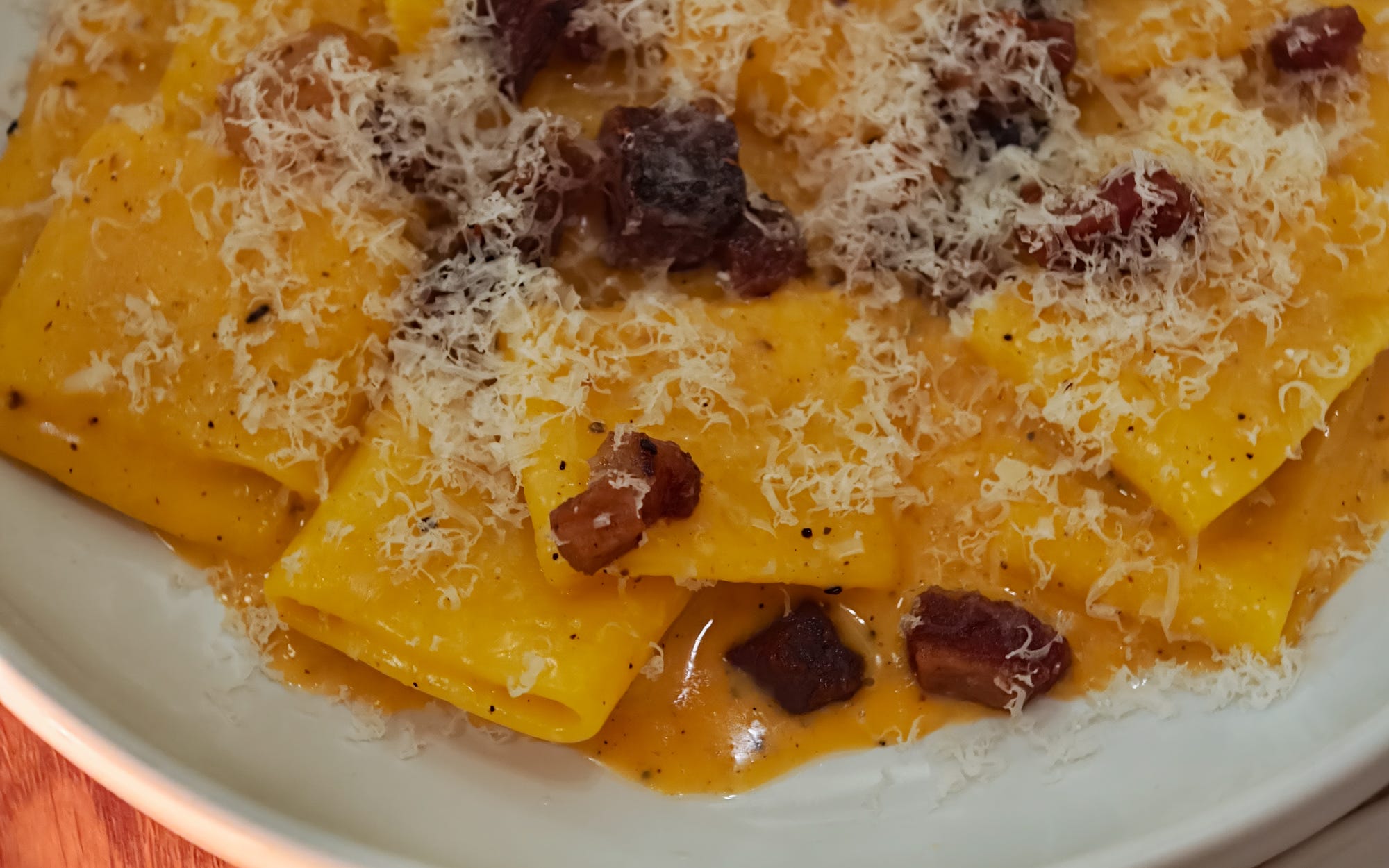
The Roman influence is strongest in the primi, where you’ll find three of the city’s big four pastas: carbonara, amatriciana, and cacio e pepe. With only two of us there, we decided to focus on the heavy hitter (and my Mastermind specialist subject): the carbonara. This is frankly excellent, and one of the best renditions I’ve eaten in London. Silky folds of paccheri are used for the pasta (which, along with rigatoni, have always served better than spaghetti here) while the sauce itself is glossy, thick, and luminous yellow. I’ve read some reviews that complain of over-sized chunks of guanciale, but on our visit they’d been sliced just right: small enough to stud the dish and crisp up nicely, but with just enough heft to retain a little gelatinous bite at their heart.
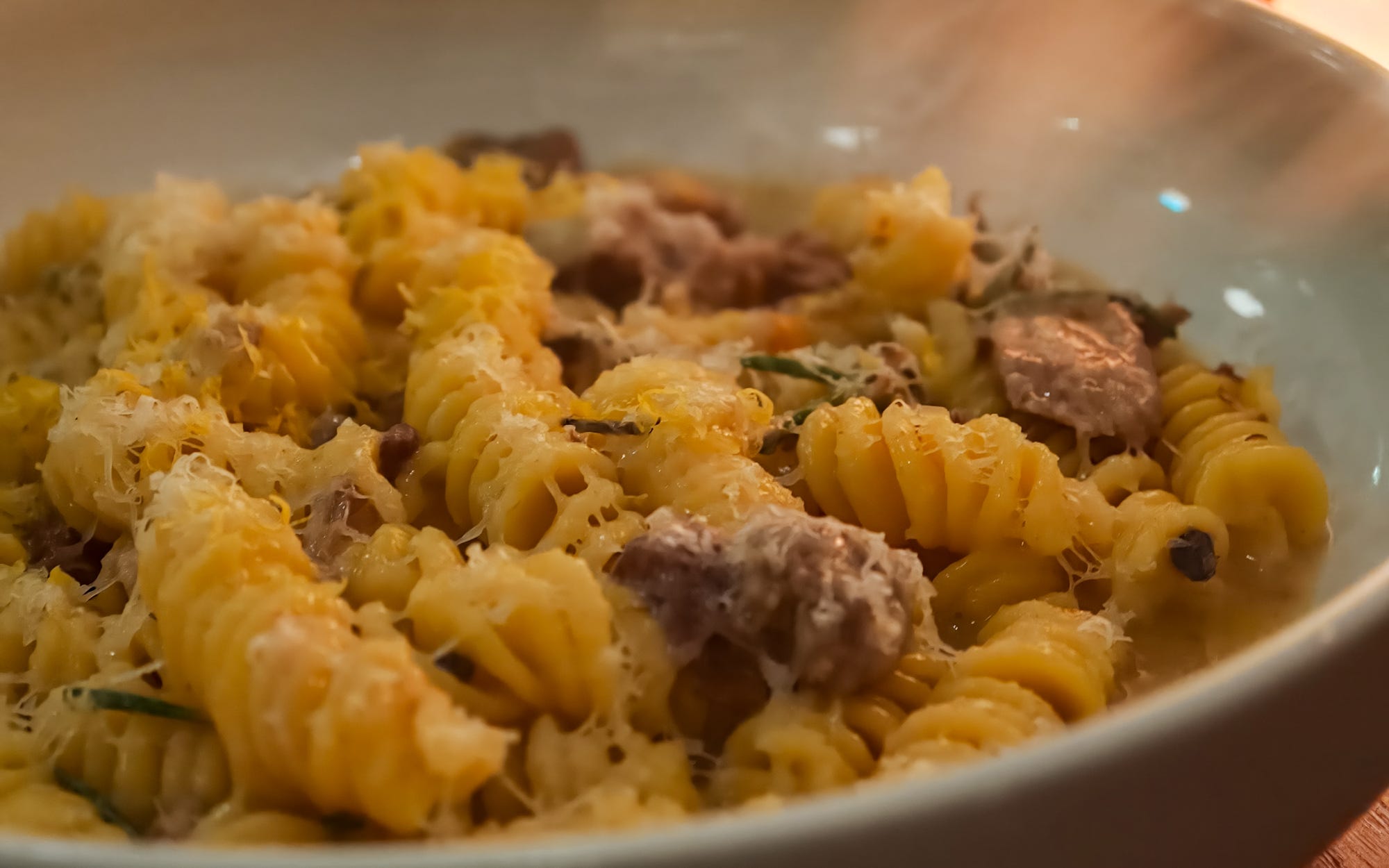
There is a fourth spot on the primi list, though oddly it’s not reserved for gricia, the final member of the Roman quartet. Instead early menus featured Ligurian trofie al pesto, replaced by our visit with a rustic ragù di cortile — translated literally as “courtyard ragu,” it’s made up of whatever animals might be to hand at the time. I’ll hazard a guess that Hassan didn’t grab his medley of duck, rabbit, and guinea fowl from the yard, but he’s done a wonderful job with it. It’s as sparse and simple as any good white ragu should be, only a few herbs and white wine allowed to muddy the flavours of the meat itself. Brutto’s sharply citric rabbit ragu still has my heart, but I don’t know of any other London effort this good.
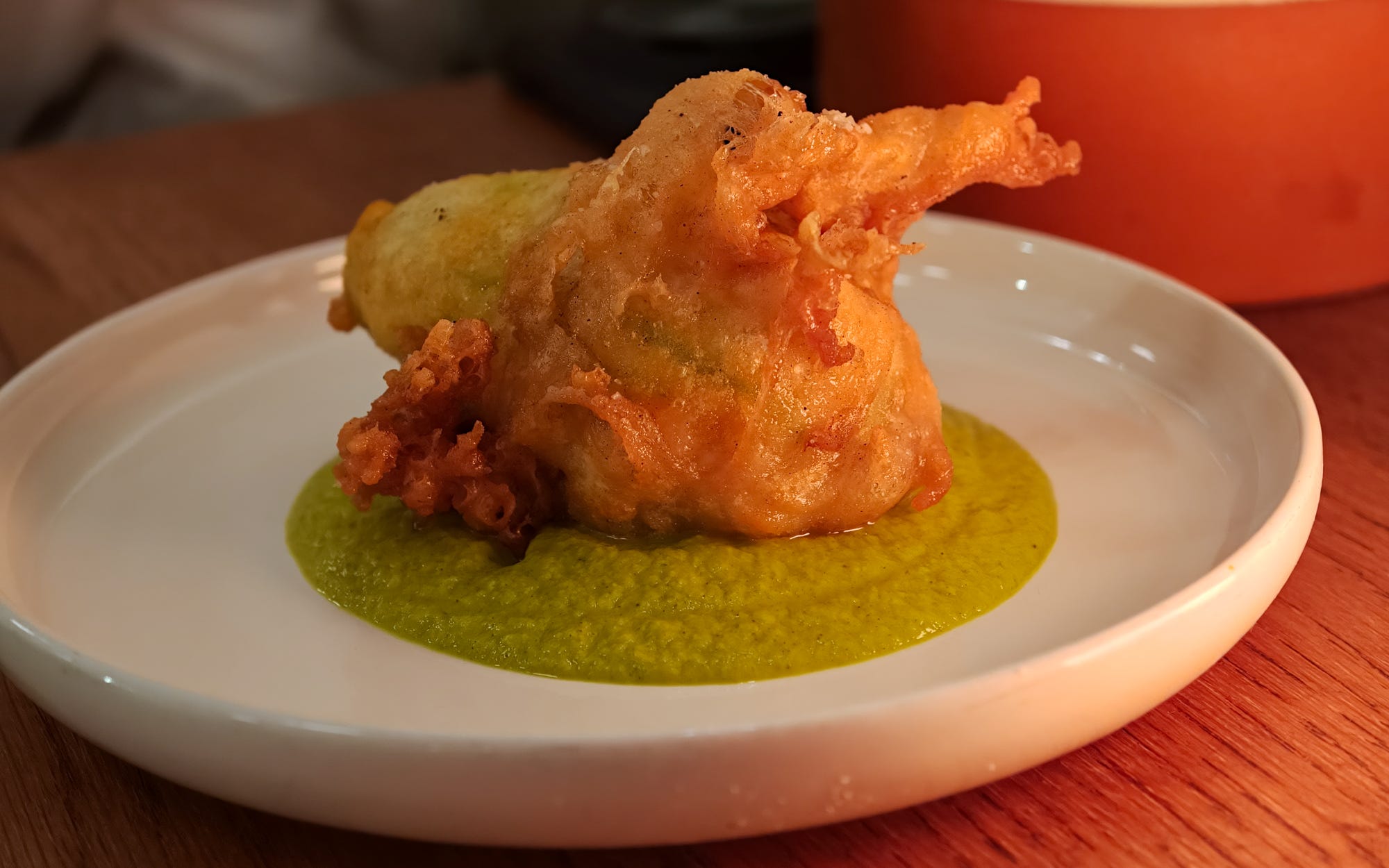
There’s more to Lupa than a few Roman (or not-so-Roman) pastas though. A fried courgette flower is served ready to burst with burrata and resting in a pool of a vibrant green mint sauce bright enough — in both senses — to cut through the cloying cheese. It’s only a shame that whatever anchovy the menu mentions was entirely lost in the mix. It’s perhaps a hair expensive at £10.50 for the one flower, but I couldn’t really levy that complaint against the coccole and salumi platter.
The coccole — small, deep-fried blobs of dough — were just a little denser than I like them, but free of the excessive grease you’d expect fresh out of the fryer, which is pretty essential when they’re to be smeared with soft squacquerone cheese or piled with three types of fat-flecked cured pork. While you can order focaccia to start, resist the temptation and spend less on the option to “fare la scarpetta” with a few chunks of the bread intended to mop up the dregs of your pasta sauce. It’s incredibly London-in-2025 to find a way to sell you bread twice in the same menu, but sauce demands bread and I’m glad at least someone in this city understands that.
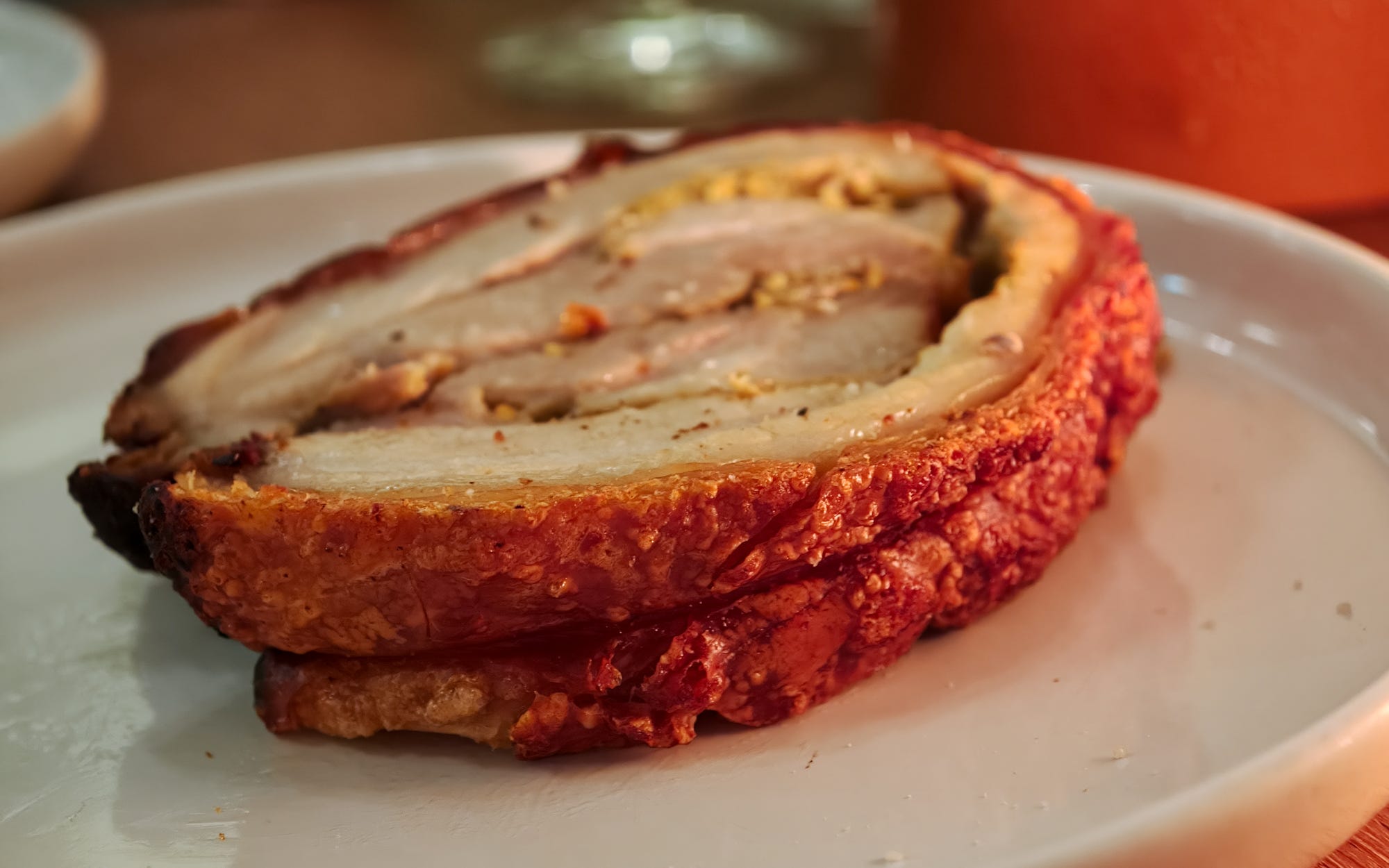
Secondi are intentionally simple, but bear in mind that they do pretty much need sides to go along with them. Lupa’s serving of porchetta is just that: a single, inch-thick slice from a roll of herb and apricot-stuffed pork, its skin blistered to a crackle. You’ll want something to go with it — we tried the fagioli, which boasted a wonderfully deep flavour, spotted with sharp puddles of salsa verde, but were quite clearly undercooked on the night, the only unequivocal misfire from the kitchen all night.
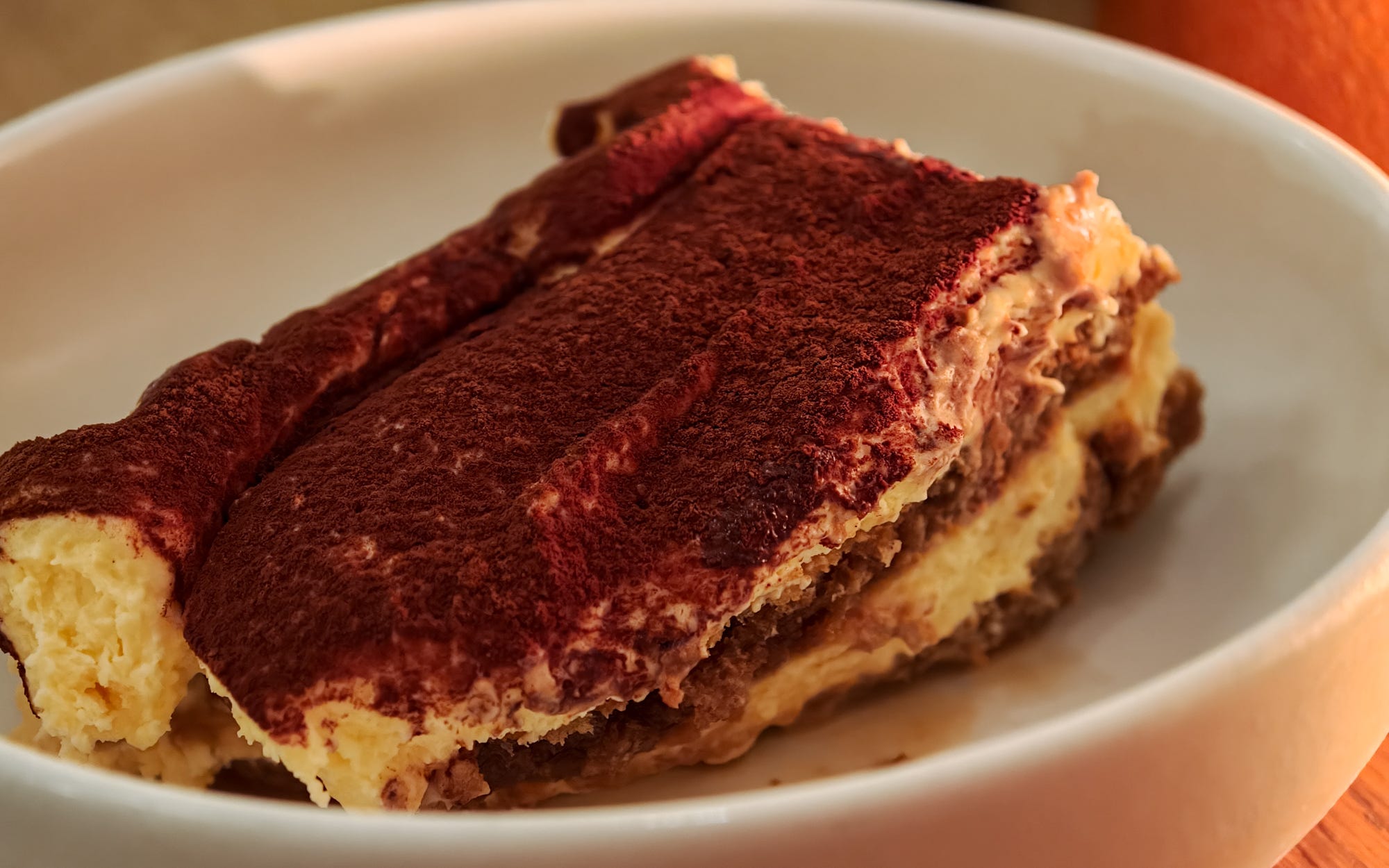
No such problem with the tiramisu. It’s about as Roman as I am, though more or less obligatory on an Italian menu these days. Lupa’s is the right sort: a solid brick’s worth, perpetually on the verge of collapsing under its own weight, and boozy enough that I thought I might need to flash my ID.
Nothing I’ve described is especially novel, and I don’t think anyone could accuse Lupa of pushing London’s culinary boundaries. Does that make it “mid”? Not on its own, I don’t think. I can’t really take issue with a short menu of Italian classics executed to a high standard — that’s all half of the best restaurants in Rome offer anyway.
Perhaps it’s just that Lupa has improved since those other reviewers made their visits, that Hassan and his team have ironed out the kinks, chopped the guanciale a little finer, that sort of thing. Or maybe it was always this good, and I was just lucky to be able to visit with the blessing of lowered expectations, fearing the worst and rewarded by, well, not quite the best, but something a damned sight better than I’d heard about from everybody else.
That’s the other thing about hype, you see. It comes and it goes, but it sets expectations with it. And if the hype around Lupa truly does die down for good, that might be for the best after all. It can settle into a new life as the little neighbourhood spot it always claimed to be, and is really rather good at.
Going tomorrow and like you it’s a booking from a few months ago. Good to hear that it’s pretty good as I’m going fully expecting not to enjoy it.